
Gallbladder Stones Treatment in Bangalore
What are Gallbladder Stones?
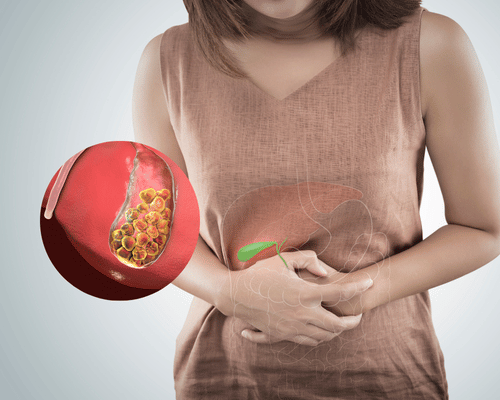
Gallbladder stones, or gallstones, are hard deposits that form inside the gallbladder due to imbalance in bile. Some people have no symptoms for years, while others experience sudden severe pain. These stones can block ducts, cause infection, and lead to serious complications if not treated in time.
Dr. Varun Kumar J, an experienced Laparoscopic and General Surgeon in Bangalore, provides advanced and minimally invasive treatment for gallbladder stones.
His expertise ensures safe surgery, less pain, faster recovery, and long-term relief for patients.
Symptoms
Symptoms associated with gallstones may include:
- Sudden sharp pain in the upper right abdomen
- Pain spreading to the back or right shoulder
- Pain after eating oily or heavy meals
- Nausea or vomiting
- Bloating or indigestion
- Fever and chills (in case of infection)
- Yellowing of the skin or eyes (severe cases)
Do You have any of these Gallbladder Stones Symptoms?
Causes
Gallbladder stones, or gallstones, develop when substances in bile—such as cholesterol or bilirubin—become imbalanced and solidify into small, pebble-like formations. Several factors contribute to their formation:
- Excess cholesterol in bile
- Excess bilirubin
- Gallbladder not emptying fully
- Poor diet and sedentary lifestyle
- Hormonal changes
- Family history of gallstones
When to See a Doctor
- If abdominal pain lasts longer than 30 minutes
- If pain repeats after meals
- If you experience vomiting or nausea frequently
- If you have fever along with abdominal pain
- If your skin or eyes turn yellow
- If pain becomes too severe to sit or stand properly
Risk Factors
To reduce the risk of developing gallstones, consider the following preventive measures:
- Age above 40
- Being female
- Family history
- Obesity or rapid weight changes
- High-cholesterol diet
- Pregnancy
- Diabetes
- Sedentary lifestyle
Complications
Treatment for gallbladder stones depends on their size, composition, symptoms, and the patient’s overall health. Options include:
- Gallbladder infection (cholecystitis)
- Blocked bile ducts
- Jaundice
- Pancreatitis
- Severe abdominal infections
- Emergency surgery requirement
Prevention
Preventing gallstones is not always possible, but healthy lifestyle choices significantly reduce the risk.
Good habits support smooth bile flow and prevent the gallbladder from becoming sluggish.
Staying active and eating well help maintain a healthy weight and reduce cholesterol buildup in bile.
With small changes, you can lower the chances of stone formation in the long term.
- Balanced meals
Eating less oily and fried food keeps bile healthy and prevents stone formation.
Fiber-rich foods help the gallbladder empty regularly. - Regular physical activity
Exercise helps maintain a healthy weight, reducing the risk of stones.
Even 30 minutes of walking daily supports good gallbladder health. - Avoid rapid weight loss
Crash diets increase bile cholesterol and lead to quick stone formation.
Slow, steady weight loss is much safer for the gallbladder. - Stay hydrated
Drinking enough water keeps bile thin and reduces crystal formation.
Dehydration can make bile thick and increase stone risk. - Timely meals
Eating on time helps the gallbladder empty properly.
Skipping meals allows bile to sit too long and form stones.
Diagnosis
Diagnosing gallbladder stones is simple and usually painless.
The tests help identify the exact location and size of the stones and check whether infection or blockage is present.
Accurate diagnosis is important to avoid complications like jaundice or pancreatitis.
With the right investigation, your doctor can plan the safest and quickest treatment.
- Ultrasound scan
It shows the size, number, and location of gallstones clearly.
This test is painless, safe, and usually enough for diagnosis. - Blood tests
They check for infection, liver stress, or jaundice caused by blocked ducts.
This helps the doctor understand how urgent the condition is. - MRCP scan
This scan gives a detailed view of the bile ducts when stones may be stuck.
It helps plan treatment and prevents complications like jaundice or pancreatitis. - CT scan
Used in complicated or emergency cases to look for severe infection or fluid buildup.
It provides a full picture of the abdomen when needed.
Myths and Facts of Gallbladder Stones
Myths
- Eating fatty foods directly causes gallbladder stones.
- Only older adults get gallbladder stones.
- Gallbladder stones will dissolve on their own.
- Removing the gallbladder leads to digestive problems.
- Drinking apple cider vinegar can dissolve gallstones.
Facts
- While a high-fat diet can contribute, factors like genetics, obesity, and rapid weight loss also play roles.
- They can occur at any age, though more common in older adults; younger individuals and women can also develop them.
- They typically require treatment; asymptomatic stones may need medical intervention.
- The gallbladder isn't essential for digestion; most people don't have significant issues after surgery.
- No scientific evidence supports this; consult a medical professional for appropriate treatment options.
Treatment
Gallstones do not go away on their own, and medicines cannot dissolve them permanently.
The most effective treatment is removing the gallbladder, which prevents stones from returning.
Modern laparoscopic surgery makes this procedure safe, quick, and less painful.
Your doctor will decide the best approach depending on your health and the severity of the stones.
- Laparoscopic gallbladder removal
Four tiny cuts are made, and a camera helps remove the gallbladder safely.
It causes less pain and allows faster recovery than open surgery. - High precision with camera support
The laparoscope gives a magnified view for safer and more accurate surgery.
This reduces the risk of injury and improves surgical outcomes. - Quick recovery
Most patients walk within hours and go home in 24 hours.
Normal activities resume within 3–5 days in most cases. - Open surgery (rare)
Needed only when there is severe infection or unusual anatomy.
It is chosen when laparoscopic surgery is not safe.
Conclusion
Gallbladder stones are a common health concern that can affect anyone, regardless of age or gender. Understanding their causes, symptoms, and treatment options empowers individuals to take proactive steps towards managing their gallbladder health. By staying informed and seeking medical advice when needed, individuals can effectively navigate the challenges posed by gallbladder stones and maintain their overall well-being. Stay informed about gallbladder stones to protect your health.
Book a Consultation call now!!

FAQs
Diagnostic tests such as ultrasound, CT scan, or MRI are commonly used to visualize gallstones and evaluate the condition of the gallbladder and bile ducts.
Untreated gallstones can lead to complications such as inflammation of the gallbladder (cholecystitis), blockage of the bile ducts (which can cause pancreatitis or jaundice), or infection.
Not all gallstones cause symptoms or require treatment. Asymptomatic stones may be monitored without intervention, while symptomatic stones may require treatment to relieve symptoms or prevent complications.
Gallstones can interfere with bile flow, which is essential for digesting fats. This can lead to symptoms like bloating, indigestion, and intolerance to fatty foods.
Rapid weight loss can be a risk factor for developing gallstones, but gallbladder stones themselves do not typically cause weight loss as a symptom.
