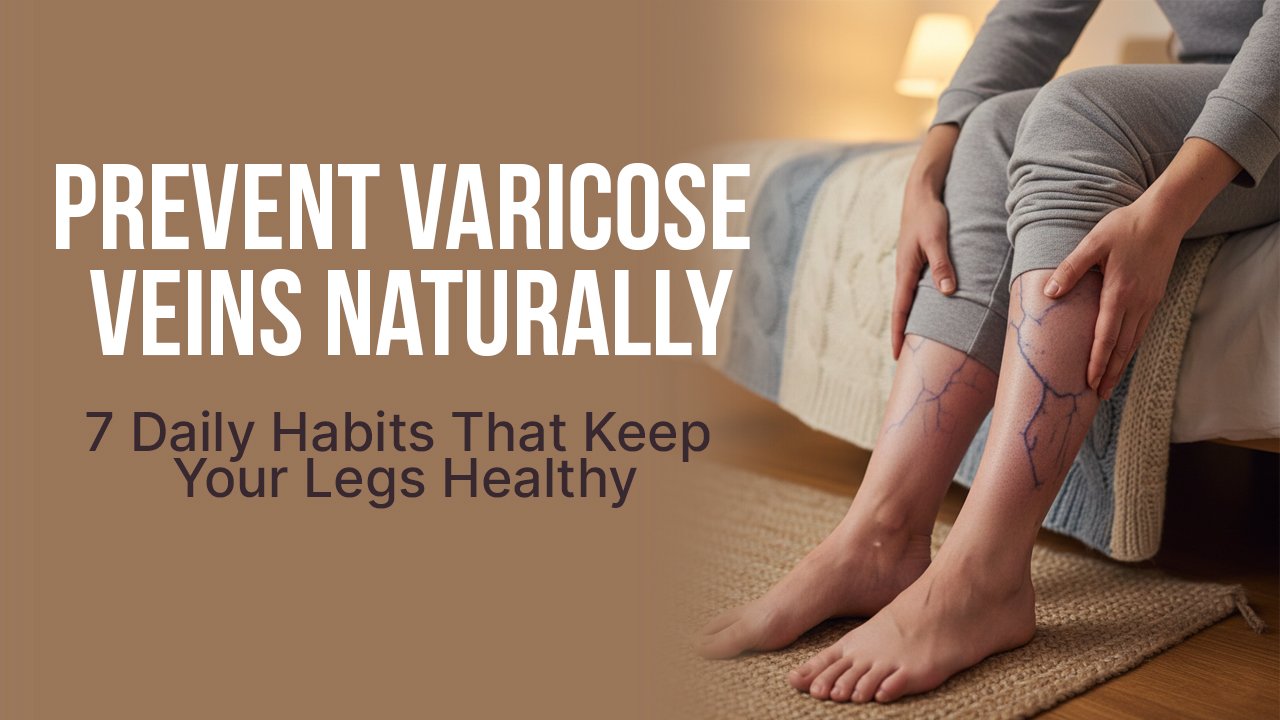
Prevent Varicose Veins Naturally: 7 Daily Habits That Keep Your Legs Healthy
When it comes to maintaining our health, certain areas of our body can be a bit sensi
Varicose veins are enlarged, twisted veins that most commonly appear in the legs due to poor blood circulation and weakened vein walls. While often considered a cosmetic issue, they can cause leg heaviness, swelling, cramps, and discomfort, and in severe cases, may lead to skin changes or ulcers. Understanding the causes and risks is the first step toward keeping your legs healthy.
The encouraging news is that varicose veins can often be prevented naturally through simple daily habits. Incorporating regular physical activity, maintaining a healthy weight, following a vein-friendly diet, and practicing proper leg care can improve circulation, reduce venous pressure, and protect your veins from further damage. Even small adjustments in your routine can make a significant difference in vein health over time.
As Dr. Varun Kumar J, Laser & General Surgeon in Bangalore, emphasizes: “Prevention is always better than treatment. By adopting simple lifestyle habits, you can maintain healthy legs, reduce the risk of varicose veins, and enjoy long-term leg vein care.” These preventive measures are particularly important for those with a family history of varicose veins, prolonged standing or sitting, or other risk factors.
tive to talk about. Proctology, the medical field that focuses on the diagnosis and treatment of disorders related to the rectum and anus, is one such area. But there’s no need to worry—Dr. Varun Kumar J is here to make this process as smooth and comfortable as possible.
Why Prevention Is Better Than Cure
Varicose veins can develop due to genetics, prolonged sitting or standing, pregnancy, aging, or excess weight. While they may start as a cosmetic concern, untreated veins often lead to leg pain, heaviness, swelling, cramps, and skin changes. Over time, these issues can progress to more serious complications if not addressed early.
Fortunately, varicose veins can often be prevented naturally through simple lifestyle and self-care habits. By staying active, maintaining a healthy weight, following a vein-friendly diet, and elevating your legs regularly, you can improve blood circulation, reduce leg discomfort, and prevent swelling. These daily habits not only support overall leg vein care but also help minimize the risk of developing severe vein complications.
Taking preventive measures early is far more effective than waiting for treatment. Adopting lifestyle changes for varicose veins, combined with proper self-care, ensures your legs stay healthy, comfortable, and free from the discomfort of advanced vein issues.
7 Daily Habits to Keep Your Legs Healthy
- Move Your Body Regularly
Engage in physical activities like walking, cycling, swimming, or yoga to strengthen leg muscles and improve circulation. Simple exercises such as calf raises, ankle rotations, or a 10–15 minute walk after meals can help prevent varicose veins naturally. - Elevate Your Legs Daily
Raise your legs above heart level for 15–20 minutes each day to reduce venous pressure and swelling. Use a cushion while lying down or a recliner while relaxing. - Maintain a Healthy Weight
Excess weight puts pressure on leg veins and slows blood flow. Maintain a healthy BMI through a balanced diet and regular activity to support leg vein care and reduce vein complications. - Wear Compression Stockings When Needed
Compression stockings improve blood flow and prevent pooling. Consult your doctor to select the correct type and pressure, especially if standing or sitting for long periods. - Follow a Vein-Friendly Diet
Eat fiber-rich foods, antioxidants, and stay hydrated. Include whole grains, vegetables, and fruits like berries, papaya, and pomegranate. Drink water, coconut water, or herbal teas, and avoid excess salt, fried foods, and alcohol. - Avoid Prolonged Sitting or Standing
Take micro-breaks every 30–60 minutes to stretch, walk, or rotate your ankles. These small adjustments improve circulation and prevent vein stress. - Practice Self-Care & Skin Maintenance
Moisturize your legs, avoid tight clothing that restricts blood flow, and gently massage your legs to support circulation. Simple daily self-care routines can help maintain healthy legs long-term.
Pro Tip: Incorporate calf raises during work, short walks after meals, and elevate your legs while sleeping to further reduce vein stress.
Early Signs & Symptoms of Varicose Veins
- Leg heaviness or fatigue – a feeling of tired or heavy legs, especially after standing or walking.
- Swelling around ankles and calves – fluid buildup causing puffiness or discomfort.
- Visible twisted or bulging veins – veins that appear enlarged, dark, or rope-like.
- Leg cramps, itching, or burning – common discomforts indicating poor circulation.
- Skin changes or ulcers (in severe cases) – discoloration, dryness, or open sores near affected veins.
Pro Tip: Early detection and lifestyle changes for varicose veins, such as regular movement, leg elevation, and a vein-friendly diet, can prevent progression and reduce the need for invasive treatments.
Common Lifestyle Mistakes That Worsen Varicose Veins
Certain everyday habits can put extra stress on your leg veins and accelerate the development of varicose veins. Avoiding these mistakes is key to maintaining healthy legs and supporting leg vein care:
- Sitting cross-legged for long periods – Restricts blood flow and increases venous pressure.
- Wearing high heels or tight clothing – Compresses veins and slows circulation.
- Ignoring leg swelling or discomfort – Delays early intervention and worsens vein health.
- Skipping regular physical activity – Reduces muscle support for veins and impairs blood flow.
Tip: Adopting simple daily habits, such as moving frequently, stretching, and wearing comfortable clothing, can prevent varicose veins naturally and improve overall vein health.
When to See a Doctor
Early medical intervention ensures effective management of varicose veins and prevents complications. Schedule a consultation if you notice:
- Severe pain or sudden swelling in the legs.
- Bleeding, skin ulcers, or discoloration around affected veins.
- Rapidly worsening varicose veins or newly visible bulging veins.
Dr. Varun Kumar J along with his team provides advanced laser and minimally invasive treatments for varicose veins. Along with advanced procedures, patients receive personalized post-treatment guidance and lifestyle advice to support long-term leg vein health and reduce recurrence risk.
Conclusion
Preventing varicose veins is easier than treating them later. Simple daily habits like regular exercise, leg elevation, wearing compression stockings, following a vein-friendly diet, and proper self-care can
