
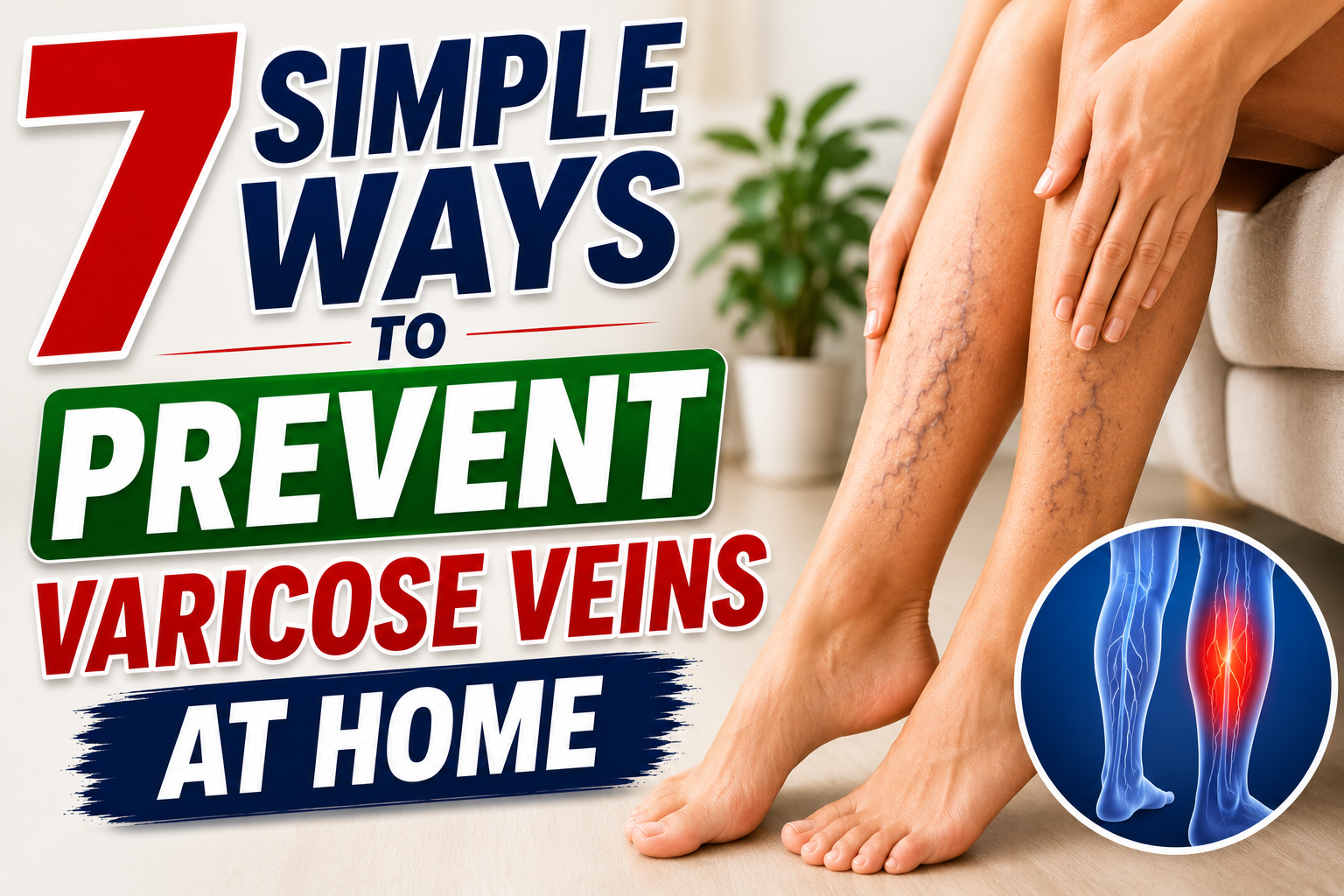
Varicose veins do not appear overnight. They develop gradually – over months and years – as a result of daily habits that put repeated pressure on the veins in your legs.
The good news is that the same logic works in reverse. Understanding how to prevent varicose veins means understanding which daily habits protect your vein valves and which ones slowly damage them. For people with a family history, a job that involves long hours of standing or sitting, or those who have had varicose veins before – these seven strategies are essential.
Dr. Varun Kumar J, vascular and laser surgeon at Hari Laser Clinics, Bangalore, recommends each of these to patients as part of both prevention and post-treatment care.
1. Move Your Legs Regularly - Especially If You Sit or Stand All Day
The single most important thing you can do when thinking about how to prevent varicose veins is to keep your leg muscles active. The calf muscles act as a pump – when they contract during walking or movement, they push blood upward through the veins toward the heart.
When you sit or stand in one position for hours, this pump stops working. Blood pools in the leg veins, pressure builds, and over time the vein walls and valves stretch and weaken.
What to do:
- If you work at a desk, get up and walk for 5 minutes every hour
- If you stand for long hours (teachers, retail staff, healthcare workers), shift your weight from foot to foot regularly and take seated breaks when possible
- Aim for at least 30 minutes of brisk walking daily
- Simple calf raises – rising up on your toes and back down – can be done anywhere and activate the calf pump effectively
Even small, consistent movement throughout the day makes a significant difference over time.
2. Exercise Regularly - Focus on Low-Impact Activities
Regular exercise improves overall circulation, strengthens calf muscles, and helps maintain a healthy weight – all of which directly support vein health. Learning how to prevent varicose veins through exercise does not require a gym membership or intense workouts.
Best exercises for varicose vein prevention:
- Walking – the most effective and accessible option. 30–45 minutes daily is ideal.
- Swimming – excellent choice. The horizontal position takes pressure off leg veins, and the water resistance provides gentle muscle work.
- Cycling – activates the calf pump without high-impact pressure on joints or veins.
- Yoga – poses that elevate the legs (legs-up-the-wall, shoulder stand) actively help drain blood from the legs.
Exercises to avoid if you already have visible varicose veins:
- Heavy weightlifting and squats with heavy load – these increase abdominal pressure which impairs venous return
- High-impact running on hard surfaces for extended periods
If you are unsure which exercises are safe given your current vein condition, consult Dr. Varun Kumar J for a personalised assessment.
3. Elevate Your Legs When Resting
Elevating your legs above the level of your heart is one of the simplest and most effective ways to relieve pressure on leg veins and improve blood return to the heart. This is a core recommendation for anyone learning how to prevent varicose veins from worsening – and for those recovering after varicose vein treatment.
How to do it:
- When lying down, place a pillow under your calves and feet so your legs are raised 15–20 cm above heart level
- Do this for 15–30 minutes in the evening, particularly after a long day of standing or sitting
- While sleeping, a folded pillow under the foot end of the mattress works well
This simple habit reduces ankle swelling, relieves heaviness, and takes pressure off vein walls – every single day.
4. Wear Compression Stockings
Compression stockings are one of the most clinically proven tools for how to prevent varicose veins from developing or progressing. They work by applying graduated pressure – tightest at the ankle, gradually reducing up the leg – which supports the vein walls and helps blood flow upward rather than pooling.
Who should wear them:
- People with a strong family history of varicose veins
- Those who stand or sit for 6+ hours daily
- Pregnant women
- Frequent long-haul travellers
- Anyone who has already had varicose vein treatment, to prevent recurrence
Tips for use:
- Put them on in the morning before getting out of bed – before blood has had a chance to pool
- Wear throughout the day; remove at night
- Medical-grade compression stockings (Class I or Class II) are more effective than regular support socks – ask Dr. Varun Kumar J which grade suits your situation
5. Maintain a Healthy Weight
Excess body weight – particularly weight carried around the abdomen – significantly increases the pressure on the veins in the pelvis and legs. This is one of the most direct and modifiable risk factors for varicose veins.
Every extra kilogram of abdominal weight acts like a slow, constant squeeze on the venous return pathway. Over time, this forces leg vein valves to work against higher pressure than they were designed for – causing them to fail earlier.
Practical steps:
- Focus on a diet high in fibre, fresh vegetables, and lean protein
- Reduce refined carbohydrates, fried foods, and excess salt (salt causes water retention, which worsens leg swelling)
- Combine dietary changes with the low-impact exercise routine described above
- Even a 5–10% reduction in body weight produces measurable improvement in leg vein symptoms
6. Avoid Prolonged Crossing of Legs and Tight Clothing
Two common habits that many people do not associate with vein health – but which directly affect circulation in the legs.
Crossing your legs while seated compresses the veins behind the knee, restricting blood flow upward. Doing this habitually for hours every day adds cumulative pressure to already vulnerable veins. Sit with both feet flat on the floor whenever possible.
Tight clothing around the waist, groin, or upper thighs – including tight jeans, shapewear, and elasticated waistbands – can act as a tourniquet on venous return, trapping blood in the legs. Opt for comfortable, non-restrictive clothing, especially during long hours of sitting.
Footwear also matters. High heels reduce the range of motion of the ankle joint, which reduces calf muscle pump activity. Flat or low-heeled shoes allow the calf to work properly. If heels are unavoidable for professional reasons, take them off whenever seated and do calf stretches throughout the day.
7. Watch Your Diet - Salt, Fibre, and Hydration
Diet plays a direct role in how to prevent varicose veins from developing and progressing. Three things matter most:
Reduce salt intake. Excess sodium causes the body to retain water, which increases fluid volume in the bloodstream and puts additional pressure on vein walls. It also worsens ankle swelling in people who already have early venous insufficiency. Reduce processed foods, pickles, papads, and packaged snacks – all of which are high in hidden sodium.
Increase fibre. Constipation and straining during bowel movements increase abdominal pressure, which impairs blood returning from the legs to the heart. A high-fibre diet – vegetables, fruits, whole grains, dal – keeps bowel movements regular and reduces this pressure. This is the same dietary principle recommended for piles prevention.
Stay hydrated. Dehydration thickens the blood, making it harder to circulate efficiently. Drink 2.5 to 3 litres of water daily. Coconut water, buttermilk, and fresh juices also contribute to hydration and circulatory health.
Foods that support vein health:
- Citrus fruits – high in rutin and Vitamin C, which strengthen vein walls
- Berries – antioxidants that reduce vascular inflammation
- Garlic – supports circulation and reduces arterial stiffness
- Leafy greens – Vitamin K supports healthy blood flow and clotting
How Effective Are These Prevention Tips?
These seven strategies are most effective when:
- You have a family history but have not yet developed visible varicose veins
- You have early-stage varicose veins (mild swelling, heaviness, spider veins) with no skin changes
- You have completed varicose vein treatment and want to prevent recurrence
They significantly slow the progression of varicose veins and reduce symptoms in existing cases. However, they do not reverse already damaged vein valves or eliminate existing varicose veins. Once the vein valves have failed, medical treatment is needed.
When Prevention Is No Longer Enough
If you are already experiencing any of the following despite following preventive measures, it is time to consult a specialist:
- Visible bulging or twisted veins on the legs
- Persistent leg heaviness, aching, or swelling that does not improve with elevation
- Skin discolouration or hardening around the ankle
- Itching or inflammation near a vein
- A vein that has bled or any open sore near the ankle
Modern varicose vein treatment in Bangalore – particularly Endovenous Laser Treatment (EVLT) – is a daycare procedure with no cuts, no stitches, and recovery within 1–2 days. Early treatment prevents the condition from reaching the stage of ulcers or clots.
Frequently Asked Questions
If you have a strong genetic predisposition, varicose veins may not be entirely preventable. However, the seven strategies above significantly delay their onset, reduce severity, and lower the risk of complications.
Yes – walking is one of the most effective tools for varicose vein prevention. The calf muscle contraction during walking acts as a pump that pushes blood upward through the leg veins, reducing pooling and vein wall pressure.
Modern medical-grade compression stockings are well-designed and comfortable for all-day wear. The key is getting the correct size and compression grade – which Dr. Varun Kumar J can advise on during a consultation.
Yes, certain yoga poses – particularly those that elevate the legs above the heart – improve venous drainage and reduce leg vein pressure. Legs-up-the-wall (Viparita Karani) is especially recommended.
If you have a family history or a job involving prolonged sitting or standing, it is worth starting preventive habits in your 30s. Varicose veins become more common after 40, but the valve damage that leads to them begins much earlier.
