Varicose Veins Treatment In Bangalore
Laser varicose veins treatment in Bangalore is a daycare procedure. It eliminates diseased veins using laser energy with no cuts, no stitches, and recovery within 24 to 48 hours. Dr. Varun Kumar J is a trusted varicose veins specialist in Bangalore with 1,000+ successful procedures. Treatment cost ranges from Rs. 60,000 to Rs. 90,000 depending on grade and complexity.
What is Varicose Veins?
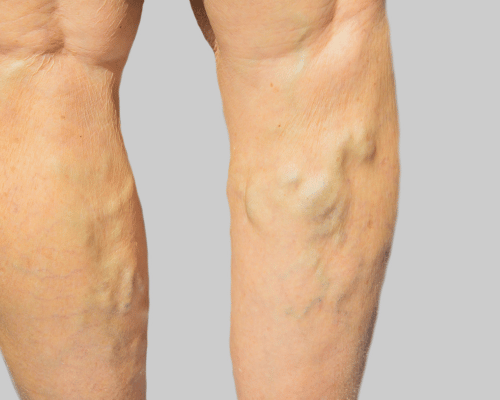
Varicose veins are enlarged, twisted, rope-like veins that develop when the one-way valves inside the veins weaken or fail , causing blood to pool and pressure to build up abnormally. They appear most commonly as varicose veins in the legs and feet. While they may begin as a visible cosmetic concern, untreated varicose veins are a serious vascular condition that progressively worsens , leading to chronic pain, skin changes, venous ulcers, and in severe cases, life-threatening clots. Is varicose vein serious? Yes , and the earlier it is diagnosed and treated, the simpler and more affordable the treatment.
Advantages of Varicose Veins Laser Surgery

Meet the Specialist — Varicose Veins Doctor in Bangalore
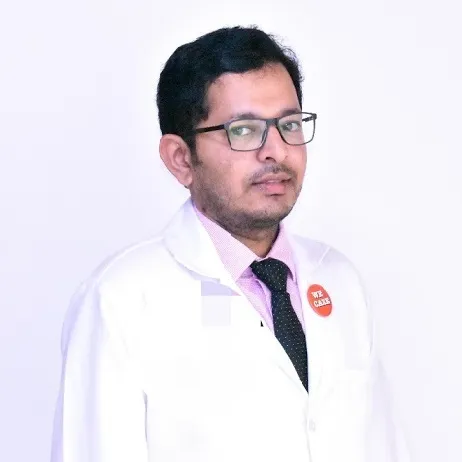
Dr. Varun Kumar J
MBBS, DNB – General Surgery
General, Laparoscopic and Laser Surgeon, Bengaluru
Dr. Varun Kumar J is a trusted piles specialist in Bangalore with over 16 years of experience. He studied MBBS at Basaveshwara Medical College, Chitradurga. He completed his DNB in General Surgery at Narayana Hrudayalaya, Bangalore. As a proctologist in Bangalore, he has done 3,000+ daycare surgeries for Piles, Fissure, Fistula, Pilonidal Sinus, and Varicose Veins.
Symptoms
Varicose veins present with a wide range of symptoms , many of which are dismissed as tiredness or ageing. Knowing the signs early can save you from Stage 4, 5, and 6 complications.
Common Symptoms of Varicose Veins
- Visibly bulging, twisted, or cord-like veins on the legs
- Aching, heaviness, or fatigue in the legs , especially after long periods of standing
- Burning or throbbing sensation along the length of the vein
- Swelling around the ankles and lower legs (oedema)
- Leg cramps at night
- Itching or dry skin directly over the affected vein
- Skin discolouration , brownish patches or hardening near the ankle
- Bleeding from minor injury (bleeding varicose veins , a medical emergency)
- Non-healing ulcers near the ankle indicating Stage 6 varicose veins
Do not wait for pain to become unbearable , early varicose veins treatment in Bangalore prevents progression to serious stages.
Causes of Varicose Veins
Varicose veins develop when venous valves fail to function correctly, causing blood to flow backward and pool. Several factors increase your risk.
- Genetics , a family history of varicose veins significantly raises your risk
- Age , veins lose elasticity and valves weaken naturally over time
- Pregnancy , increased blood volume and pressure on pelvic veins is a leading cause
- Prolonged standing or sitting , teachers, nurses, IT professionals, and sales staff are at high risk
- Obesity , excess body weight places greater pressure on leg veins
- Hormonal changes , oestrogen weakens vein walls, making women more susceptible
- Prior deep vein thrombosis (DVT) , damages vein valves permanently
- Sedentary lifestyle , lack of movement reduces effective venous return from legs
- Heavy physical labour or repeated high-impact activity over many years
Understanding your risk factors is the first step , consult Dr. Varun Kumar J for a personalised assessment and treatment plan.
Grades and Types of Varicose Veins
Types of Varicose Veins
- Spider Veins (Telangiectasias) , Tiny red or blue web-like veins visible just under the skin. Mostly cosmetic. Treated with surface laser or sclerotherapy.
- Reticular Veins , Small blue-green veins (1–3 mm) that feed spider veins. Treated with foam sclerotherapy.
- Truncal Varicose Veins , Large (>3 mm) bulging veins along the great or small saphenous vein. The primary candidate for laser EVLT treatment.
- Perforator Vein Incompetence , Abnormal blood flow between superficial and deep veins. Treated with EVLT or TRLOP.
Grades of Varicose Veins (CEAP Classification)
- Stage 1: Spider or thread veins. Mild, cosmetic. Treated with sclerotherapy or surface laser.
- Stage 2: Bulging varicose veins >3 mm. Aching and heaviness present. Laser EVLT strongly recommended.
- Stage 3: Varicose veins with visible leg swelling (oedema). Laser treatment combined with compression stockings indicated.
- Stage 4: Varicose veins Stage 4 treatment , skin changes including lipodermatosclerosis, eczema, and hyperpigmentation. Urgent laser intervention required.
- Stage 5: Healed venous ulcer. High risk of recurrence. Laser treatment and long-term compression management needed.
- Stage 6: Varicose veins Stage 6 treatment , active, non-healing venous ulcer. Varicose veins ulcer treatment in Bangalore requires urgent vascular surgery, wound care, and laser ablation.
Laser Procedure for Varicose Veins in Bangalore
Endovenous Laser Treatment (EVLT) is the most advanced and effective procedure for varicose veins treatment by laser available today. Performed under local anaesthesia as a day-care procedure, EVLT uses a thin laser fibre inserted directly into the diseased vein under ultrasound guidance. Laser energy is delivered to heat and permanently seal the vein wall , the body then naturally absorbs the closed vein and reroutes blood through healthy veins. The entire procedure takes 45–60 minutes, with no hospitalisation required.
Is varicose vein treatment without surgery possible? Yes. EVLT is not open surgery. It is performed through a 2 mm skin entry under local anaesthesia , no general anaesthesia, no stitches, no large incisions, and no hospital admission. It is the most effective non-surgical varicose vein treatment available, delivering permanent results with minimal downtime.
Is varicose veins curable? Yes , varicose veins are completely curable with laser treatment. EVLT permanently destroys and seals the diseased vein. With the right lifestyle changes post-treatment, recurrence is less than 5%. Untreated, the condition only worsens , so early treatment is always better.
Step-by-Step: How the Laser Procedure Works
- Step 1 – Consultation & Colour Doppler Ultrasound: Full venous mapping to identify all incompetent veins and plan the procedure precisely.
- Step 2 – Tumescent Local Anaesthesia: Anaesthetic solution is injected around the vein. Patient remains awake and comfortable throughout.
- Step 3 – Laser Fibre Insertion: A thin laser fibre is passed into the diseased vein via a micro-needle puncture under ultrasound guidance.
- Step 4 – Laser Energy Delivery: Controlled laser energy heats and permanently collapses the vein wall as the fibre is slowly withdrawn.
- Step 5 – Foam Sclerotherapy (if required): Smaller tributary varicose veins are treated simultaneously with foam injection for complete clearance.
- Step 6 – Compression & Discharge: Compression stocking applied. Patient walks out of the clinic within 1–2 hours of treatment.
- Step 7 – Follow-Up Doppler Scan (Week 2): Ultrasound confirms successful vein closure. Compression stockings continued for full healing.
Most patients return to desk work within 24–48 hours. Mild bruising or tightness along the treated vein resolves within 7–10 days. Full physical activity including varicose veins treatment exercise and walking resumes within 2–3 weeks. No bed rest is required.
How to Diagnose Varicose Veins
Accurate diagnosis determines the right treatment , Dr. Varun Kumar J uses the following diagnostic tools to assess every patient thoroughly before recommending any procedure.
- Clinical Examination – Visual inspection and palpation of veins in standing position to assess size, extent, and skin changes.
- Colour Doppler Ultrasound – The gold standard for venous diagnosis. Maps reflux, identifies incompetent perforators, and guides precise EVLT planning.
- Duplex Ultrasound Scan – Combines Doppler flow data with real-time imaging for detailed anatomical assessment of the venous system.
- Venography – Contrast X-ray used in complex or recurrent cases to visualise the deep venous anatomy.
- Blood Tests & Coagulation Screen – Baseline investigation to rule out clotting disorders, especially when DVT is suspected alongside varicose veins.
Laser Varicose Veins Treatment Cost in Bangalore
The laser varicose veins treatment cost in Bangalore at Dr. Varun Kumar J’s clinic ranges from Rs. 60,000 to Rs. 90,000. The cost depends on:
- Grade and severity of varicose veins
- Number of veins and legs being treated
- Type of anaesthesia used
- Clinic location and facility
- Overall health profile and additional procedures required
Insurance may cover the procedure in some cases. Our team will help you check and process your claim. Full cost details are shared at consultation with no hidden charges.
How Varicose Veins Are Diagnosed
Accurate diagnosis is the first step toward effective Varicose Veins Treatment in Bangalore. A structured approach ensures the most suitable and personalized care.
A detailed physical assessment includes:
- Visible vein patterns and bulging veins
- Swelling or tenderness in the legs
- Skin discoloration or texture changes
- Review of symptoms and medical history
This non-invasive scan evaluates:
- Faulty vein valves and reflux
- Blood flow direction and blockages
- Vein dilation and structural issues
- Determines disease severity
- Guides precise treatment planning
Why Accurate Diagnosis Matters
Consulting an experienced specialist like Dr. Varun Kumar J ensures:
- Correct identification of affected veins
- Targeted, personalized treatment
- Reduced risk of recurrence
- Safer, faster recovery
Book a Consultation Today for a comprehensive varicose vein evaluation in Bangalore.
Why Laser and RFA Are Preferred for Varicose Veins
Endovenous Laser Therapy (EVLT) and Radiofrequency Ablation (RFA) are the current global standards for treating varicose veins. They are favored for their effectiveness, safety, and minimal invasiveness compared with traditional surgery.
How They Work
- EVLT: Uses laser energy to gently seal the faulty vein from the inside.
- RFA: Collapses the diseased vein using controlled radiofrequency heat.
- Both procedures redirect blood flow to healthy veins, improving circulation and relieving symptoms.
Benefits of Laser and RFA
- No cuts, stitches, or visible scars
- Short outpatient procedure (20–30 minutes)
- Immediate mobility – patients can walk right after treatment
- Quick recovery – return to work within 24–48 hours
- High success rate – 95–98% effective in treating varicose veins
- Minimal discomfort during and after the procedure
- Long-term symptom relief and reduced risk of recurrence
Why Specialist Care Matters
When performed by experienced vein specialists like Dr. Varun Kumar J, these procedures are safe, precise, and highly effective, ensuring optimal outcomes with faster recovery and lasting relief.
Our Locations in Bangalore
Dr. Varun Kumar J offers laser Varicose veins treatment at Banashankari, Koramangala, BTM Layout, JP Nagar, Jayanagar, and Mysore.
Book Your Appointment with Dr. Varun Kumar J
You do not have to live with pain, swelling, or the embarrassment of varicose veins. Dr. Varun Kumar J offers expert laser varicose veins treatment in Bangalore with transparent pricing, insurance support, and a compassionate patient-first approach. Book your consultation today , same-week appointments available.
Need help choosing the right solution?
Our team is here to assist you.
Have questions about piles, fissure, fistula, varicose veins, hernia, or laser surgery? Dr. Varun Kumar J, an experienced Laparoscopic and Laser Surgeon in Bangalore with 14+ years of expertise, is here to guide you.
Fill out the form and our team will call you shortly to assist with consultations and appointments at Hari Laser Clinics, Bangalore. Your comfort and care are our priority.
Request A Call Back!!
FAQs
No. Laser, RFA, and sclerotherapy are minimally invasive and done under local anaesthesia, so discomfort is minimal.
Most patients return to normal work within 1–2 days.
The treated vein closes permanently, so recurrence in that vein is rare. New veins may appear if risk factors continue.
They can worsen over time, causing swelling, skin discoloration, ulcers, or clots.
Search for “varicose vein treatment near me” or “varicose vein specialist Bangalore” and choose a centre offering duplex ultrasound and minimally invasive procedures.
