
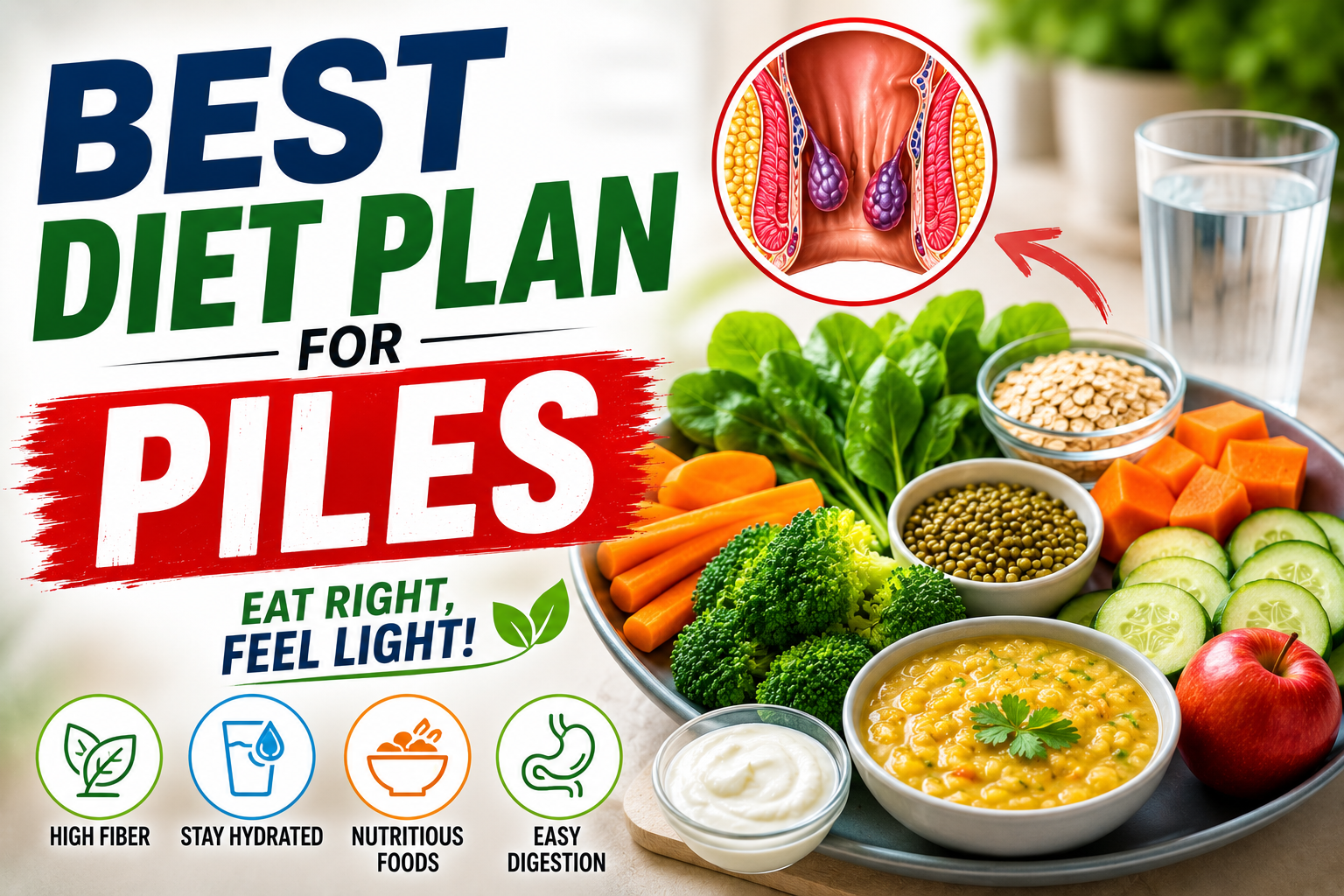
What you eat every day directly affects your piles – how severe the symptoms are, how quickly you recover after treatment, and whether the condition comes back.
The right diet for piles patients does one primary thing – it keeps your stools soft and easy to pass. This reduces the pressure on swollen veins during bowel movements, which is the root cause of pain, bleeding, and worsening of piles.
Dr. Varun Kumar J, piles specialist at Hari Laser Clinics, Bangalore, has treated over 3,000 patients with piles. One consistent finding across all grades – patients who follow the correct diet recover faster, experience fewer flare-ups, and are far less likely to need repeat treatment.
Laser vs Traditional Surgery for Piles - Side-by-Side Comparison
The anal and rectal veins swell when they are under repeated or prolonged pressure. The most common cause of that pressure is straining during bowel movements – which happens when stools are hard or dry.
A poor diet creates a cycle:
- Low fibre + low water intake → hard stools
- Hard stools → straining during bowel movements
- Straining → increased pressure on rectal veins
- Increased pressure → piles worsen or return after treatment
The right diet for piles patients breaks this cycle completely. It is the single most important lifestyle factor in managing piles – both before and after surgery.
What to Eat: Best Foods for Piles Patients
- High-Fibre Vegetables
Vegetables are the foundation of any good diet for piles patients. They add bulk to stools, soften them, and make bowel movements easier without straining.
Best choices:
- Spinach, methi, palak – excellent fibre and iron (helps if bleeding has caused mild anaemia)
- Broccoli, beans, peas
- Bottle gourd (lauki), ridge gourd (turai), ash gourd
- Carrots and beetroot – easy to digest, good stool bulk
- Sweet potato – soft, fibre-rich, gentle on the digestive tract
Tip: Cook vegetables lightly – steamed or boiled is better than deep fried. Raw salads are fine but introduce them gradually if your gut is sensitive.
- Fruits
Fruits provide soluble fibre, natural water content, and digestive enzymes – all of which support easier bowel movements.
Best choices:
- Papaya – the top recommended fruit for piles patients. Contains papain, an enzyme that aids digestion and softens stools naturally.
- Banana – easy to digest, binding when unripe and softening when ripe. Eat ripe bananas.
- Pear and apple – eat with the skin for maximum fibre benefit.
- Guava – very high in fibre, one of the best fruits for piles.
- Figs (anjeer) – especially soaked overnight. A natural stool softener.
- Oranges and mausambi – water content + fibre, but avoid on an empty stomach if you have acidity.
- Whole Grains
Replace refined grains (maida, white rice) with whole grain alternatives wherever possible.
Best choices:
- Brown rice instead of white rice
- Whole wheat roti instead of maida-based bread or naan
- Oats – excellent soluble fibre, ideal as a morning meal
- Dalia (broken wheat) – easy to prepare, very gut-friendly
- Jowar and bajra rotis – traditional Indian grains with high fibre content
- Legumes and Pulses
Dal, rajma, chana, moong – Indian diets are naturally rich in these, and they are excellent for piles patients. They are high in fibre and protein, and support regular bowel movements.
Best choices:
- Yellow moong dal – easiest to digest, good for post-surgery recovery
- Masoor dal, toor dal
- Boiled chana or rajma (avoid heavy spicing)
- Sprouts – eaten lightly cooked, not raw, for easier digestion
- Water and Hydrating Fluids
No diet for piles patients is complete without talking about water. Fibre needs water to work – without adequate hydration, even a high-fibre diet can cause constipation.
- Drink 2.5 to 3 litres of water daily
- Start the morning with 1–2 glasses of warm water – this triggers bowel movement naturally
- Coconut water – hydrating and gentle on the gut
- Buttermilk – excellent probiotic, aids digestion
- Jeera water or ajwain water – traditional Indian remedies that reduce bloating and improve bowel regularity
- Fresh fruit juices (not packaged) – papaya, pomegranate, or carrot juice
- Probiotics
A healthy gut microbiome supports regular, easy bowel movements. Include probiotic-rich foods daily.
- Curd (dahi) – one bowl with lunch or dinner daily
- Homemade buttermilk
- Idli and dosa – fermented, easier to digest than many other breakfast options
What to Avoid: Foods That Worsen Piles
Just as important as knowing what to eat is knowing what to avoid. These foods either cause constipation, increase inflammation, or irritate the rectal area – all of which aggravate piles.
- Spicy Foods
Spicy food does not cause piles, but it significantly worsens the burning, itching, and pain – especially in Grade II and Grade III piles. Chillies, hot sauces, and heavily spiced curries irritate the anal lining as they pass through.
Avoid: Red chilli, green chilli in excess, very spicy gravies and pickles during flare-ups.
- Refined and Processed Foods
Maida (refined flour) is one of the worst foods for piles patients. It slows down digestion, causes constipation, and hardens stools.
Avoid:
- White bread, naan, pav made with maida
- Biscuits, cakes, pastries
- Instant noodles, pasta made from refined flour
- Packaged snacks – chips, namkeen with low nutritional value
- Fried and Oily Foods
Deep-fried foods are difficult to digest and slow down gut movement. They contribute to constipation and bloating – both of which increase straining.
Avoid: Pakoras, samosas, poori, bhatura, deep-fried snacks during active piles symptoms.
- Red Meat
Red meat (mutton, beef, pork) is low in fibre and takes a long time to digest. Regular consumption can lead to harder stools and increased straining. Limit intake – if you eat non-vegetarian food, prefer fish or chicken, which are easier on the digestive system.
- Alcohol
Alcohol dehydrates the body. Dehydration directly hardens stools and worsens constipation. Even moderate alcohol consumption can cause a noticeable worsening of piles symptoms.
Avoid alcohol completely during active piles symptoms and for at least 2 weeks after laser piles surgery.
- Caffeinated Drinks in Excess
Tea and coffee in moderate amounts are fine for most people. But excessive caffeine dehydrates the body and can trigger loose stools or irritation in some patients – both extremes are bad for piles.
Limit to 1–2 cups of tea or coffee per day. Replace additional cups with warm water, coconut water, or herbal tea.
- Dairy in Large Quantities
Full-fat milk, paneer, and cheese in large amounts can slow digestion and contribute to harder stools. One bowl of curd (probiotic dairy) is beneficial – but heavy dairy intake overall is not ideal for piles patients.
Sample One-Day Diet Plan for Piles Patients
Meal | What to Eat |
Early Morning | 1–2 glasses warm water + 4–5 soaked anjeer or 1 tsp isabgol in warm water |
Breakfast | Oats porridge or dalia with vegetables / Idli with sambar / Whole wheat upma |
Mid-Morning | 1 fruit – papaya, guava, or pear with skin |
Lunch | Brown rice or 2 whole wheat rotis + dal + sabzi (lightly spiced) + 1 bowl curd |
Evening Snack | Coconut water or buttermilk + handful of soaked chana or sprouts |
Dinner | 2 whole wheat rotis + moong dal + bottle gourd or ridge gourd sabzi |
Bedtime | 1 glass warm milk (optional) or warm water with a pinch of turmeric |
Additional Habits That Support Diet for Piles Patients
Diet alone works best when combined with these daily habits:
- Do not delay bowel movements. When you feel the urge, go immediately. Holding it in hardens the stool.
- Do not sit on the toilet for long. Avoid reading or using your phone while on the toilet – this increases pressure on the rectal veins.
- Walk for 20–30 minutes daily. Physical movement keeps the bowel active and prevents constipation.
- Sitz bath. Sitting in warm water for 10–15 minutes after bowel movements relieves pain and reduces swelling.
- Avoid prolonged sitting. If your job involves sitting for long hours, take a 5-minute walk every hour.
When Diet Is Not Enough
Diet changes work well for Grade I and early Grade II piles. They also play a critical role in recovery after laser piles surgery and in preventing recurrence.
However, if you are experiencing:
- Bleeding during bowel movements
- A lump outside the anus that does not go back in
- Persistent pain or discomfort despite diet changes
- Piles symptoms that have been present for more than 2–3 weeks
– then diet alone will not resolve the condition. You need a medical evaluation.
Dr. Varun Kumar J at Hari Laser Clinics, Bangalore offers a thorough assessment of your piles grade and recommends the most appropriate treatment – whether dietary management, medication, or minimally invasive laser surgery.
Frequently Asked Questions
Yes. Curd is one of the best foods for piles patients. It is a natural probiotic that improves gut health, aids digestion, and supports regular bowel movements. One bowl daily with lunch or dinner is recommended.
Yes – but prefer brown rice over white rice. White rice is low in fibre and can contribute to constipation. If white rice is unavoidable, combine it with a high-fibre dal or vegetable to balance the meal.
Ripe bananas are good for piles patients – they are easy to digest and support soft stools. Unripe or raw bananas have the opposite effect and can cause constipation. Always eat fully ripe bananas.
A minimum of 2.5 to 3 litres per day. Starting the morning with 1–2 glasses of warm water is particularly effective in stimulating bowel movement.
Yes, in moderation. Prefer fish and chicken over red meat. Avoid heavy spicing. Ensure your overall diet remains high in fibre from vegetables, fruits, and whole grains.
